 Since 1999, Fire Safety Supply has been the go-to for fire suppression products, industrial dry chemical systems, high and low-pressure CO2, vehicles, and clean agents. We serve various types of industries such as restaurants, commercial kitchen, wineries, and more.

What Is the Difference Between Type 1 and Type 2 Kitchen Hoods?
Posted by the FSS Team on Jan 23rd 2026
Type 1 vs. Type 2 Kitchen Hoods: What Is the Difference?
A practical guide for restaurant owners, contractors, and facility managers who want correct hood selection and cleaner inspections.
Quick Answer
Type 1 hoods are for cooking that produces grease-laden vapors and smoke (higher fire risk). Type 2 hoods are for equipment that produces mainly heat, steam, and moisture (lower fire risk). The correct hood type is determined by the appliance and what it releases into the air.
Type 1 Hood Grease / Smoke
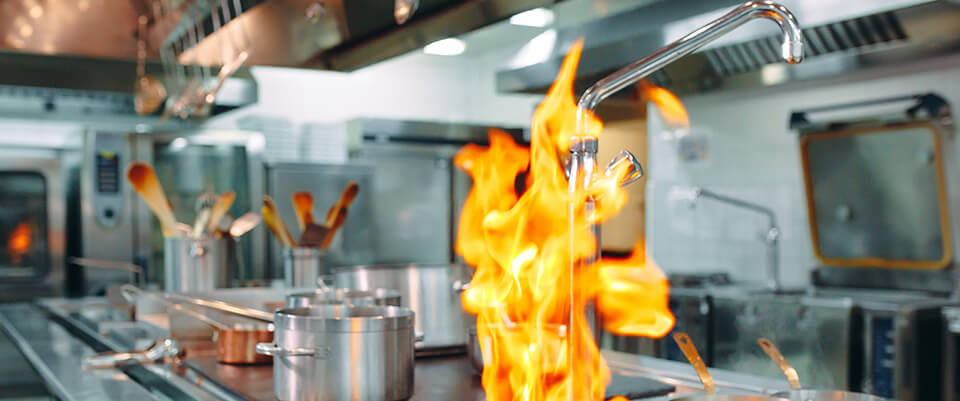
Built to capture grease-laden vapors before they enter ductwork. Often required over cooking that can create flare-ups.
- Common equipment: fryers, griddles, ranges, charbroilers, wok stations
- Uses grease filters (baffles) that must be cleaned regularly
- Frequently paired with a fire suppression system, per code and inspector requirements
- Typically needs proper make-up air planning to balance exhaust
Type 2 Hood Heat / Steam
Intended for non-grease heat and moisture control. Helps reduce humidity, odors, and uncomfortable temperatures.
- Common equipment: steamers, some ovens, dishwashers, kettles, coffee equipment
- Focuses on removing steam and heat, not heavy grease
- Fire suppression is not typically required when grease is not present (confirm locally)
- Helps protect ceilings, walls, and equipment from condensation
Side-by-Side Comparison
| Category | Type 1 Hood | Type 2 Hood |
|---|---|---|
| Primary purpose | Capture grease, smoke, and grease-laden vapors | Capture heat, steam, moisture, and light odors |
| Typical appliances | Fryers, grills, griddles, ranges, broilers | Steamers, dishwashers, some ovens, kettles |
| Filtration | Grease baffles/filters required | Condensate/steam management; grease filtration not designed for heavy grease |
| Fire risk | Higher | Lower |
| Fire suppression | Commonly required; verify by code and inspector | Often not required for non-grease sources; verify locally |
How to Choose the Correct Hood
- Start with the appliance list: note each unit and what it produces (grease vs. steam).
- Confirm cooking method: frying and open-flame cooking almost always indicate Type 1 needs.
- Plan for air balance: proper make-up air supports comfort and performance.
- Do not assume: equipment that looks clean can still create grease-laden vapors depending on menu and use.
Can I use a Type 2 hood over a griddle or fryer?
No. Grease-producing equipment typically requires a Type 1 hood because the hood, filters, ducting, and related fire protection are intended for grease-laden vapors.
Do Type 2 hoods ever need filters?
They may include light filtration or condensate control features depending on the application, but they are not designed to handle heavy grease capture like Type 1 systems.
Is a fire suppression system always required with a Type 1 hood?
It is commonly required for grease-producing cooking operations, but exact requirements vary by jurisdiction and installation. Always confirm with local code officials and the project design team.
Need Help Confirming Hood Type or Accessories?
Fire Safety Supply can help you identify the correct hood classification, understand common compliance expectations, and select practical support items. Call 1-800-498-3473 or use the buttons below.